
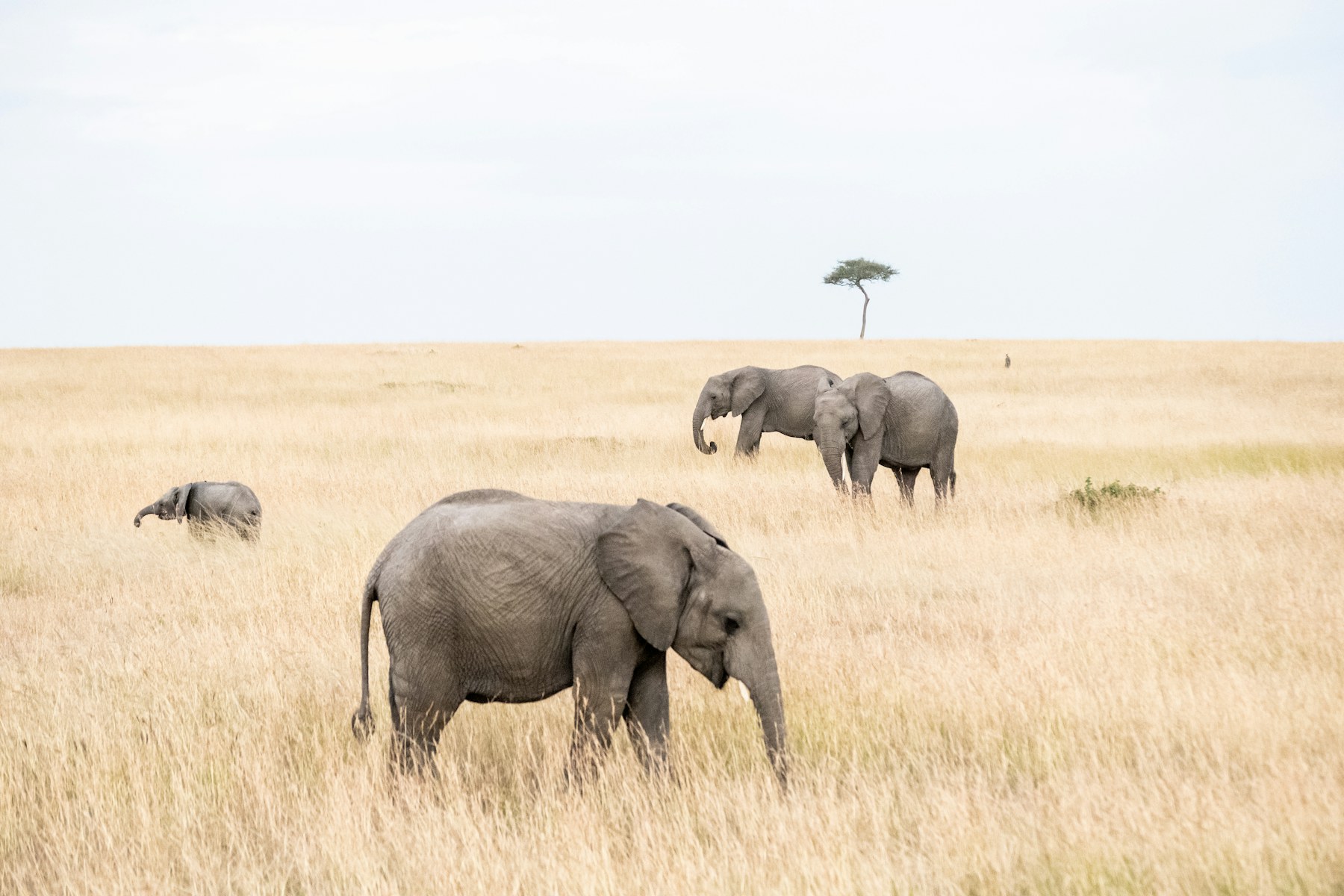
Planning a wildlife holiday can feel overwhelming, especially when Kenya offers so many remarkable landscapes. This Kenya safari guide explains when to travel, which parks to combine, what to pack and how to build a comfortable itinerary. Whether you want classic savannah game drives, elephant encounters or dramatic Rift Valley scenery, careful planning will help you spend more time enjoying the experience and less time in transit.
Why Choose Kenya for a Safari?
Kenya brings together open savannahs, wetlands, forests and lake ecosystems within one destination. Kenya Wildlife Service highlights the country’s protected areas as habitats for elephants, lions, rhinos, giraffes, buffaloes and many other species. Every sighting depends on nature, but a well-planned route can offer excellent landscape and wildlife variety. Our Kenya Safari & Holiday Package combines several of the country’s best-known regions in one journey.
Best Time to Visit Kenya for Safari
Kenya is a year-round destination, but the experience changes with the seasons. Drier periods often make wildlife easier to observe around permanent water sources, while greener months bring fresh landscapes, dramatic skies and strong photography opportunities. Rainfall patterns vary by region and can change from year to year, so confirm current road and park conditions before finalizing your dates.
- June to October is commonly chosen for drier weather and classic safari conditions.
- January and February can offer warm days and comparatively dry conditions in many safari regions.
- Green-season travel can provide lush scenery, fewer crowds and a different wildlife-viewing atmosphere.
- Migration timing in the wider Mara ecosystem is natural and never guaranteed for a specific date.
Top Safari Destinations in Kenya
Masai Mara
Masai Mara is known for rolling grasslands, broad horizons and rewarding game drives. It works especially well for first-time safari travellers who want an iconic savannah setting. Allow more than one game drive so your guide can explore different sections of the reserve. See our Masai Mara Safari Package for a focused itinerary.
Amboseli
Amboseli is celebrated for elephant herds, wetlands and possible views of Mount Kilimanjaro when the weather is clear. The mountain can be hidden by cloud, so treat the view as a memorable bonus rather than a promise. Our Amboseli Safari Package gives the park enough time for guided exploration.
Lake Nakuru and Nairobi
Lake Nakuru National Park combines lake scenery, birdlife and protected rhino habitat. Nairobi can add urban culture, conservation attractions and Nairobi National Park to the beginning or end of a safari. Combining these areas creates contrast, but driving distances should be considered carefully.
A Practical 5–7 Day Kenya Safari Plan
- Day 1: Arrive in Nairobi, meet your local representative and rest after the flight.
- Days 2–3: Travel to Masai Mara and enjoy scheduled guided game drives.
- Day 4: Continue through the Rift Valley toward Lake Nakuru or another selected stop.
- Days 5–6: Explore Amboseli, including morning or afternoon game drives.
- Day 7: Return to Nairobi for your onward journey or add an extra city night.
This route is only a planning example. Accommodation, park entry, domestic transport and activity timing should be confirmed according to your travel dates, budget and preferred pace.
What to Pack for a Kenya Safari
- Neutral, breathable clothing that can be layered for cool mornings and warmer afternoons.
- A light rain jacket, sun protection, comfortable closed shoes and a reusable water bottle.
- Binoculars and a camera with spare batteries or a power bank.
- Personal medication, travel documents and soft-sided luggage suitable for your transport plan.
- A respectful approach to wildlife, local communities and park regulations.
Responsible Safari Tips
Follow your guide’s instructions, remain inside the vehicle unless advised otherwise and never pressure wildlife for a photograph. Keep noise low, avoid feeding animals and carry out anything you bring into protected areas. Responsible behaviour protects both visitors and the ecosystems they have travelled to experience.
Frequently Asked Questions
How many days are enough for a Kenya safari?
Five to seven days is a useful starting point for combining two or three destinations without rushing every day. A shorter trip can focus on one park, while a longer holiday allows slower travel and more game drives.
Are wildlife sightings guaranteed?
No. Wildlife moves freely and every game drive is different. Experienced guides use local knowledge to improve the experience, but specific animals, migration activity and mountain views cannot be guaranteed.
Should I choose a private or shared safari?
A private safari offers more flexibility with stops and daily pacing, while a shared departure may reduce cost. The best choice depends on your budget, group size and preferred travel style.
Plan Your Kenya Safari with Tiende Travel
A good safari balances wildlife time, realistic driving distances and comfortable accommodation. Tiende Travel can help you compare Kenya itineraries and tailor the route around your dates and priorities. Review our Kenya tour options, then send an enquiry for a personalised quotation.